Clearing Fallen Limbs and Debris After an Anderson Winter Storm
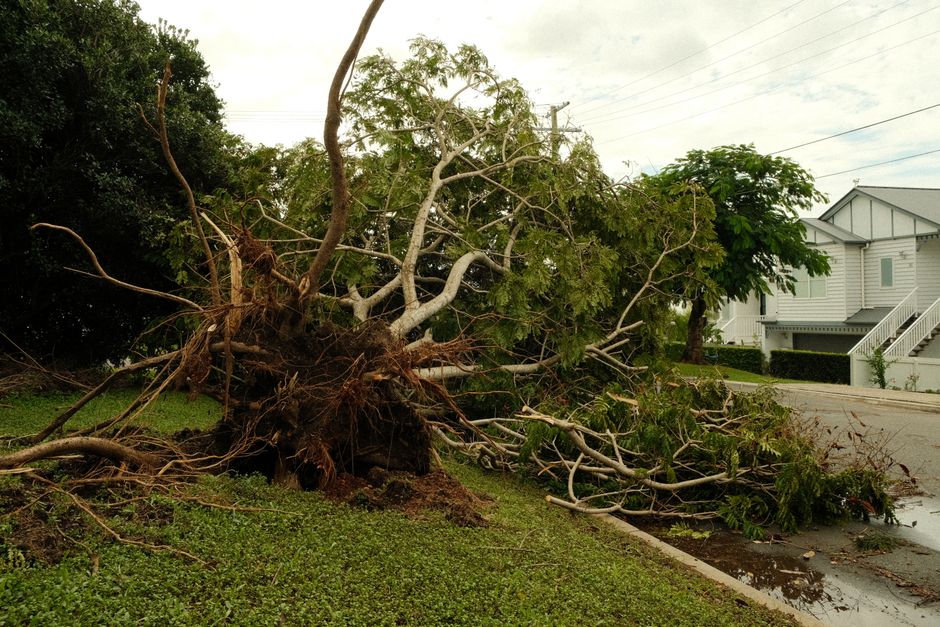
Storm debris is sorted by material before any of it is lifted. For junk removal in Anderson, CA, the notes kept at junk removal anderson ca andrew h moeller start with safety: a limb hanging in a tree, a wire touching a branch or a fence leaning under a trunk gets checked before a crew steps into the yard. Winter storms in Shasta County can bring down branches, shingles, fencing and patio furniture in a single night.
What should be checked before anything is moved?
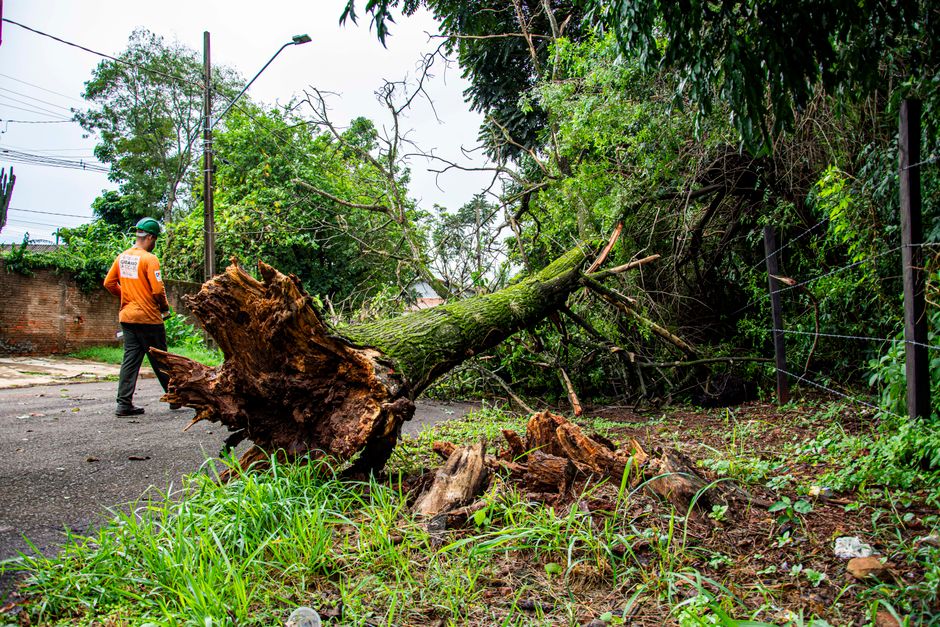
Power lines come first. Anything touching or near a wire is left alone and reported to the utility. After that comes the ground: saturated soil near Clear Creek and the Sacramento River can give way under a loaded cart, and a trunk resting on a slope can roll when it is cut. Standing water hides nails and broken glass.
How is storm debris sorted?
Wood and green waste are separated from fencing, roofing and household trash. Clean branches and leaves go to a green waste site, while treated lumber, painted boards and shingles go to a different stream. Metal gutters and wire fencing are pulled aside for scrap. Mixed piles cost more time to sort at the gate, so sorting happens in the yard.
What is the difference between limbs and a whole tree?
Limbs under a few inches thick are cut to length and stacked on a truck. A whole fallen tree needs a chainsaw, a rigging plan and often a tree service. Haulers in the Anderson area usually take cut sections after the tree work is done, and they avoid cutting anything under tension.
How does the weather affect the load?
Wet wood is far heavier than dry wood, so a truck holds fewer cubic yards before it reaches its weight limit. Mud on a gravel drive near Cottonwood or Shasta Lake can trap a loaded truck, and the crew may stage the debris on firm ground. Debris is hauled soon after the storm, because a pile left against a house in the wet season invites rot and pests.
What about fire season?
The same piles that fill a yard in winter become fuel by late summer. Cleared limbs, dead brush and stacked fencing are moved away from structures before the dry months, which matters across a county that has lived through large wildfires. A hauled load is simpler than a pile that sits for months.